How to Manage a Family Home Sale During Serious Illness in Canada
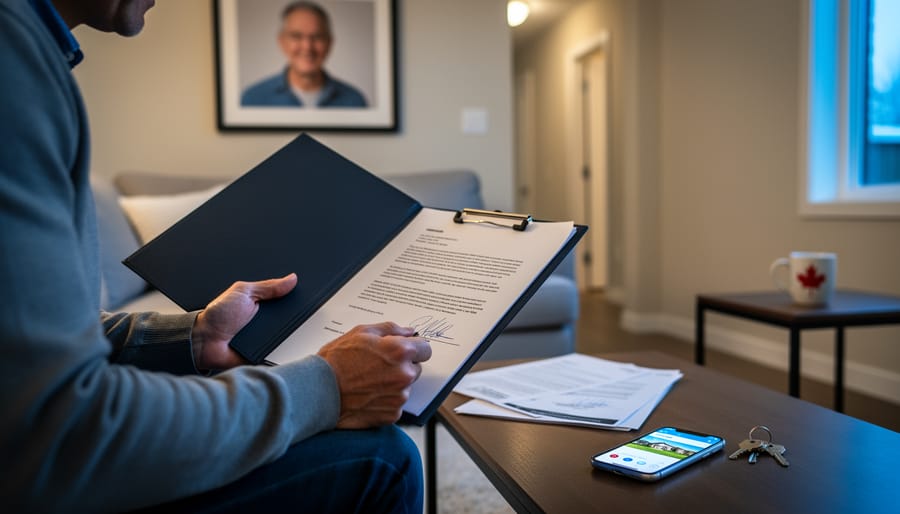
Managing a family home sale during serious illness is possible in as little as 4-8 weeks, but the process demands upfront legal preparation, a trusted team, and realistic expectations about pricing and timelines. Canadian families facing this challenge need to secure power of attorney documents, assemble professional support (realtor, lawyer, accountant), and often accept lower offers to close quickly while managing caregiving responsibilities.
The emotional weight is real. You’re already coordinating medical appointments, insurance claims, and family logistics. Now you’re adding property showings, legal paperwork, and financial decisions that carry tax implications under Canada Revenue Agency rules. One wrong move, like selling without proper authority or missing capital gains exemption deadlines, can create legal headaches that compound an already difficult situation.
This isn’t a typical home sale. Time pressure collides with the need for careful legal compliance, particularly around mental capacity and decision-making authority. If your family member can no longer make informed decisions, you’ll need notarized POA documents before any realtor will list the property. If they’re still capable but physically unable to participate, you’ll need systems to keep them informed without adding stress.
The good news: thousands of Canadian families navigate this process every year. With the right preparation, you can sell efficiently, protect everyone’s legal interests, and redirect your energy where it matters most. The key is knowing which steps to prioritize, which professionals to involve first, and how to structure the sale to avoid rushed decisions that erode value. Resources like guidance on selling house due to terminal illness can help clarify your options during this challenging time.
When Selling Your Home During Illness Makes Sense

Selling a family home during a health crisis isn’t giving up, it’s often the most practical way to secure the care and support your loved one needs. The decision typically comes down to hard financial realities and quality-of-life considerations that outweigh the emotional attachment to a property.
Canadian families frequently face a stark funding gap when serious illness strikes. While our public healthcare system covers hospital stays and physician visits, it doesn’t pay for long-term care homes, which cost between $3,000 and $6,000 monthly in most provinces for a semi-private room. Private care, home health aides, or specialized dementia facilities can run $8,000 to $12,000 monthly. For many families, home equity represents the only accessible source of these substantial funds, retirement savings may be locked in RRSPs or insufficient to cover years of care costs.
Common scenarios where selling makes clear sense include:
- Immediate need for funds to secure a spot in a quality care facility or pay for in-home nursing support
- Physical home no longer safe or accessible due to mobility decline, with modification costs exceeding $50,000
- Primary family caregiver needs to relocate closer to the ill parent or sibling to provide hands-on support
- Estate planning to simplify affairs while the homeowner can still participate in decisions
Beyond funding care, the sheer burden of maintaining a property often becomes impossible when a family member is seriously ill. Lawn care, snow removal, repairs, and utility management drain time and energy that should go toward caregiving. A 2,500-square-foot house with stairs and a yard becomes a liability, not an asset, when the owner can no longer climb steps or when adult children are juggling hospital visits with property upkeep.
Relocating closer to medical facilities or family support networks can dramatically improve both care outcomes and family wellbeing. Selling a home in a distant city to move near adult children who can help with appointments, meal preparation, and daily check-ins often proves invaluable during treatment or decline.
What You’ll Need Before You Start

Assembling Your Support Team
You’ll need a team of professionals who understand the unique pressures of selling during a health crisis. Start with a real estate agent who has experience with compassionate sales, someone who won’t push for aggressive timelines or maximum showings when your family is juggling hospital visits. Ask potential agents directly: “Have you helped families sell during a medical crisis?” Their answer will tell you whether they understand what you’re facing.
A real estate lawyer familiar with power of attorney sales is essential if your ill family member can’t sign documents themselves. Not all lawyers handle POA transactions regularly, and mistakes here create serious delays. Your lawyer should explain upfront whether the POA document you have is sufficient or needs updating for your province’s land registry requirements.
Bring in an accountant before you list the property, not after you’ve accepted an offer. They’ll review whether your principal residence exemption applies fully, advise on timing if there are rental income complications, and help you plan for next year’s tax return. This conversation typically costs $300-500 but can save thousands in unnecessary tax.
If your family is overwhelmed, hire a professional organizer or senior move manager to handle decluttering and preparations. These specialists, common in larger Canadian cities, charge $50-100 per hour but remove an enormous burden when you’re already managing medical appointments and care decisions.
Important Warnings and Considerations
Selling your family home while dealing with a serious illness creates unique vulnerabilities that can lead to costly mistakes. The emotional weight and time pressure of the situation make it essential to recognize potential pitfalls before you commit to decisions that are difficult to reverse.
The most significant risk is making rushed decisions under extreme stress. When a family member needs immediate care or funds are urgently required, it’s tempting to accept the first offer or skip important steps in the process. However, decisions made in crisis mode often become one of the common money mistakes that families regret for years. Take a breath, assemble your support team, and give yourself at least a few days to evaluate major choices, even when circumstances feel urgent.
If you’re selling under power of attorney, never skip the legal review. POA sales require specific documentation and procedures that vary by province. Your real estate lawyer must confirm the POA is properly registered and grants authority for property sales. Cutting corners here can invalidate the entire transaction or expose you to legal challenges from other family members.
Tax implications deserve careful attention before you list the property. While the principal residence exemption typically eliminates capital gains tax on a family home, the timing of the sale and how you’ve used the property matter. If your ill family member moved to a care facility years ago and rented out the house, or if the property served as a cottage or secondary residence, tax consequences change dramatically. Consult an accountant before closing to avoid unexpected tax bills.
Finally, coordinate your sale timeline with actual care needs and financial requirements. Selling too early leaves funds sitting unused while you continue paying for the empty home. Selling too late creates gaps in care funding or forces you into expensive bridge financing.
Step-by-Step: Managing the Home Sale Process

Step 1: Secure Legal Authority and Review Ownership
Before listing the property, confirm who legally owns the home and whether you have authority to sell it. Request a current title search from your provincial land titles office to verify registered owners and any encumbrances like mortgages or liens.
If the ill family member owns the property but cannot participate in the sale, you’ll need legal authority. Review existing Power of Attorney documents to confirm they grant real estate transaction powers. Different provinces have specific registration requirements: in Ontario, the POA must be registered with the land registry; BC requires notarization; Quebec uses mandates that need validation. Contact your provincial land titles office to verify what your jurisdiction requires.
Without a POA, you’ll need to apply for court-appointed guardianship or trusteeship, which takes significantly longer. Schedule a consultation with a real estate lawyer who handles POA sales. They’ll review your documents, identify potential complications, and advise on proper procedures to ensure the sale is legally valid and protects the homeowner’s interests.
Expect this step to take one to two weeks if your POA is current and properly documented, or four to eight weeks if court appointment is necessary.
Step 2: Get a Professional Home Valuation
Getting an accurate valuation is crucial when you’re selling to fund care or make critical financial decisions. You have two main options: hire a licensed appraiser (costs $300-500 in most Canadian markets) for a formal appraisal, or request a Comparative Market Analysis from a real estate agent, which is typically free when you’re considering listing with them.
A CMA compares your home to recent sales of similar properties in your neighbourhood and gives you a realistic price range. An appraisal provides a precise single value and may be required if you’re dealing with estate matters or family disputes about the home’s worth.
Ask your appraiser or agent about current market conditions. Is it a seller’s market with quick sales, or are homes sitting longer? This context helps you set realistic expectations for both timing and price, which directly affects how you’ll fund care costs.
Plan for this step to take about one week from booking to receiving the valuation report.
Step 3: Choose Your Selling Strategy
You have three main selling options, each with different trade-offs between speed, price, and effort required.
A traditional MLS listing through a real estate agent typically yields the highest sale price, often 10-20% more than quick-sale alternatives. You’ll reach the widest pool of buyers and can negotiate from a position of strength in most markets. However, this route takes 30-90 days on average in Canadian markets, requires home preparation (repairs, staging, decluttering), and involves managing showings and buyer conditions. If your family has time and can handle the logistics, this maximizes the funds available for care.
Selling to a cash buyer or investor offers speed, often closing in 2-4 weeks with minimal preparation needed. They buy as-is, so you skip repairs and staging. The major downside is price: expect offers 15-30% below market value. This option makes sense when you need funds urgently for immediate care costs or when the family simply cannot manage home preparations due to caregiving demands.
Selling to a family member can work if someone wants to keep the home and has financing arranged. You’ll save on real estate commissions, but you must still establish fair market value (get an appraisal) to avoid tax complications and family conflict. Ensure the transaction is properly documented with a lawyer, especially if selling under power of attorney.
Step 4: Prepare the Home for Sale
Preparing the home requires honest assessment of what your family can realistically handle during this stressful time. Walk through the property with your real estate agent and note any repairs that could significantly impact sale price, leaking faucets, broken fixtures, damaged flooring. Focus on addressing safety hazards and obvious flaws rather than major renovations.
Decluttering presents the biggest emotional challenge. Before touching anything, ask the ill family member (if able) which items hold special meaning or should be set aside. Box these treasures immediately to avoid accidental disposal or sale.
For families stretched thin with caregiving, professional help makes enormous difference. Senior move managers, common in Toronto, Vancouver, Montreal and other Canadian cities, specialize in downsizing family homes. They sort belongings, coordinate donations, and arrange estate sales for unwanted items. Costs typically range from $50-$80 per hour, but the service drastically reduces family burden.
Professional staging helps homes sell faster and for higher prices, but it is optional. If budget is tight, deep cleaning and removing personal items creates similar impact. Many agents offer basic staging advice at no extra cost.
Plan for two to four weeks to complete preparations, longer if extensive sorting is needed.

Step 5: List the Property and Manage Showings
Once your agent lists the home on the Multiple Listing Service (MLS) and other platforms, you’ll enter the showing phase. Set clear parameters upfront about when viewings can occur, mornings might work better if afternoons are reserved for medical appointments, or weekends may be off-limits during family visits. Agent-only showings, where your realtor handles all appointments without family present, significantly reduce the coordination burden on caregivers.
Install a lockbox so agents can access the property independently rather than requiring someone from the family to be there each time. This simple tool cuts your involvement to nearly zero during the showing period. Virtual tours and video walkthroughs also help by filtering serious buyers from casual browsers, reducing foot traffic through the home. Some buyers will make offers based largely on virtual presentations, especially if the property shows well online.
Expect the active showing period to run two to six weeks in most Canadian markets, though strong listings in hot areas may receive offers within days. Keep communication lines open with your agent, they should update you on showing feedback and buyer interest so you can adjust pricing or strategy if needed.
Step 6: Review Offers and Negotiate Terms
When offers start arriving, resist the temptation to jump at the first decent number. Your real estate agent will present each offer in detail, highlighting not just the price but the conditions attached. Look closely at the closing date, deposit amount, financing conditions, and any requests for chattels or fixtures. A higher offer with a 90-day closing might sound attractive, but if you need funds in 30 days for a care facility deposit, a slightly lower offer with faster closing serves you better.
Schedule a call with both your agent and real estate lawyer to review competitive offers together. They can explain the practical implications of each condition and help you weigh trade-offs. If you’re acting under power of attorney, document your decision-making process in writing. Keep notes explaining why you accepted a particular offer, focusing on how it serves the homeowner’s best interests, whether that means maximizing proceeds for care costs or enabling a quick move to be closer to medical support.
Don’t hesitate to counter-offer. Even in urgent situations, you can negotiate closing dates, request higher deposits for security, or ask buyers to waive minor conditions. Your agent handles these conversations, but you set the boundaries based on your family’s actual needs and timeline.
Step 7: Navigate the Closing Process
Once the buyer’s offer is accepted, you enter the closing period, typically 30 to 60 days in most Canadian provinces. Your lawyer will handle the legal paperwork, but you’ll need to stay involved in several key tasks.
First, respond to the home inspection report. The buyer may request repairs or ask for a price reduction based on findings. Work with your real estate agent to negotiate reasonable solutions, keeping in mind your timeline and the home’s condition. If the ill family member needs to approve decisions, consult them early or ensure your power of attorney clearly covers these negotiations.
Next, coordinate document signing with your lawyer. If the homeowner is hospitalized or in care, your lawyer can arrange bedside signing or use your POA documents. Confirm these logistics at least two weeks before closing to avoid delays.
Finally, organize the move-out. Hire professional movers if family cannot manage it, arrange final cleaning, and schedule utility disconnections for closing day. Remove all personal belongings and ensure the home is in the agreed-upon condition. Keep your lawyer informed of any challenges, they can often negotiate short extensions if medical circumstances create unexpected delays.
Managing the Tax Implications
When you sell a family home during a health crisis, understanding the tax implications protects you from unexpected liabilities and helps preserve funds needed for care. The good news: most Canadian families selling their primary residence won’t owe capital gains tax, but you still need to report the sale correctly and meet specific requirements.
The principal residence exemption rules eliminate capital gains tax on your family home if it was your primary residence for every year you owned it. This applies even when selling to fund long-term care or medical expenses. The exemption doesn’t require proof of medical need; it’s based solely on how the property was used.
You must designate the property as your principal residence when filing your tax return for the year of sale, even though no tax is owing. Use CRA Form T2091 if you owned other properties during the ownership period, or simply report the sale on Schedule 3 of your return if this was your only residence. Missing this designation can result in the CRA denying your exemption years later.
Complications arise if the property served dual purposes. If you rented out part of the home or ran a home-based business claiming capital cost allowance, you’ll owe tax on the proportional gain. A home where 25% was rented throughout ownership would see 25% of the gain taxed at your marginal rate. Similarly, if your parent moved to a care facility years ago and rented the home, only the years it was their primary residence qualify for the exemption.
Selling to fund medical care creates no special tax treatment or additional exemptions beyond the standard principal residence rules. Keep detailed records: purchase documents, improvement receipts, legal fees, and real estate commissions. These costs adjust your cost base and reduce any taxable gain if the exemption doesn’t fully apply. Consult an accountant familiar with real estate taxation before closing, particularly if there’s any rental history, the home was inherited, or multiple family members hold title.
How to Verify Everything Is In Order
After the sale closes, take time to systematically verify that every administrative detail is properly handled. Missing a step during this stressful period can create complications months later when you’re least able to deal with them.
Work through this verification checklist to confirm nothing falls through the cracks:
- All closing documents received and filed in a safe location accessible to family members
- Property transfer officially registered with your province’s land titles office
- Sale proceeds deposited and allocated correctly (care facility payments, family accounts, any debts settled)
- Homeowner or POA has certified copies of final Statement of Adjustments and transfer documents
- Property insurance cancelled effective closing date to avoid unnecessary premiums
- Utilities transferred or disconnected (hydro, gas, water, internet, phone)
- Mail forwarding arranged through Canada Post for minimum 6 months
- Municipal property tax account closed and final bill settled
- Records organized for tax reporting, including documentation to support principal residence exemption claim
Schedule a meeting with your accountant within 30 days of closing to plan for tax filing. Even if the principal residence exemption means no tax is owing, you’ll still need to report the sale on your return. Your accountant can help you identify ways to save money on taxes and ensure you’re claiming all applicable tax credits and deductions related to medical expenses or caregiving costs incurred during this period.
Keep all sale-related documents for at least six years in case the Canada Revenue Agency requests verification. Store copies digitally as backup, and ensure multiple family members know where to locate these records.
Common Questions About Selling During Illness
Can I sell my parent’s house if they have dementia?
Yes, but only if you have a valid power of attorney for property or court-appointed guardianship. The POA must be properly registered in your province, and all sale decisions must be documented as being in your parent’s best interest.
How quickly can we sell if we need funds urgently?
Cash buyers or investors can close in 2-4 weeks, while a traditional MLS listing typically takes 2-3 months from listing to closing. The speed you need will determine which approach makes sense for your situation.
Will we lose money selling quickly?
Quick sales to cash buyers typically net 10-25% below optimal market value. If you can wait for a traditional sale, you’ll likely get a better price, but sometimes urgent care needs make speed the priority.
Can we sell if there’s still a mortgage on the property?
Absolutely. The outstanding mortgage balance is paid directly from the sale proceeds at closing, and you receive whatever equity remains after the mortgage and selling costs are covered.
What if siblings disagree about whether to sell?
This requires legal advice specific to your family’s situation. If one sibling holds POA, they have legal authority to decide, but family disputes can complicate matters and may require court involvement in extreme cases.
Do we pay capital gains tax if we’re selling to fund medical care?
The principal residence exemption usually applies to a family home, eliminating capital gains tax regardless of why you’re selling. Using proceeds for care costs doesn’t create an additional tax exemption, but it also doesn’t trigger extra tax.
These questions come up in nearly every family facing a home sale during illness. The answers vary based on your province’s specific regulations and your family’s legal arrangements, which is why consulting with a real estate lawyer early in the process saves headaches later. Getting clarity on these issues upfront lets you focus energy on what matters most: caring for your loved one while making sound financial decisions.
The sale proceeds from a family home often represent the largest financial resource available to fund long-term care. Working with an accountant can help you structure the use of those funds to maximize your savings and stretch care dollars as far as possible, whether that means choosing between care facilities, paying privately until public funding becomes available, or covering home care costs.
Selling your family home during a serious illness ranks among life’s most challenging decisions. The process carries emotional weight that extends far beyond paperwork and financial transactions. But with the right support structure and careful planning, you can navigate this difficult time while protecting both your loved one’s wellbeing and your family’s financial future.
The key is resisting the urge to rush. Yes, medical situations create urgency, but hasty decisions often lead to regret and financial losses you can’t afford. Take time to assemble your professional team early, a compassionate real estate agent, an experienced lawyer, and a knowledgeable accountant. These experts handle the technical complexities so you can focus your energy where it belongs: on caring for your family member.
Legal and financial advice isn’t optional in these situations. The stakes are too high, and Canadian regulations around power of attorney sales, tax implications, and estate matters require professional guidance. Get these fundamentals right, and you’ll save for what matters most, your peace of mind and your family’s security during an already difficult chapter.